Three Decades of People First.

Founded in 1992 through the historic merger of the ACLM, PLM, and UNDP, the United Progressive Party has stood as Antigua and Barbuda's champion of democracy, transparency, and shared prosperity. From its founding under Baldwin Spencer to the visionary leadership of Jamale Pringle today, the UPP remains the nation's primary vehicle for progressive, people-centred governance.

32+Years of Service
10Years in Government
17Constituencies Organised

A Progressive Movement Built by the People

The United Progressive Party was born out of a conviction that Antigua and Barbuda deserved better — better governance, better accountability, and a better standard of living for every citizen. The three founding movements each brought a distinct progressive tradition: the ACLM's roots in community liberation, the PLM's labour-centred politics, and the UNDP's commitment to democratic reform.

Together, they created a party that would go on to serve as Prime Minister for a historic decade under Baldwin Spencer — a period characterised by unprecedented transparency, constitutional reform, and genuine investment in public services. Though the party has faced its electoral challenges, its organisational resilience and policy depth have consistently made it the strongest progressive force in the nation.

Today, under Jamale Pringle, the UPP is building toward 2028 with the most comprehensive platform in its history — five pillars that represent a complete national vision: reliable water, modern roads, community safety, world-class education, and universal healthcare. Not just in St. John's. In every parish, every village, every home.

Our Core Values

The foundational beliefs that guide our policy, our leadership, and our vision for Antigua & Barbuda.

⚖️

Transparency

Governance in the sunshine. Every dollar accounted for. Every decision made in the public interest.

🤝

Equality

No Antiguan left behind. Prosperity shared across all 17 constituencies — urban and rural, young and old.

📋

Accountability

Measurable commitments, public dashboards, independent audits. Policy that delivers, not just promises.

💡

Innovation

Evidence-based solutions, modern governance, and technology-forward public services for the 21st century.

🌿

Sustainability

Building for the future — renewable energy, climate resilience, and infrastructure designed for generations.

👥

People First

Every policy evaluated by one standard: does it improve the lives of ordinary Antiguans and Barbudans?

The Leaders Who Built the UPP

From founding to the present, three political leaders have shaped the UPP's identity, values, and national vision.

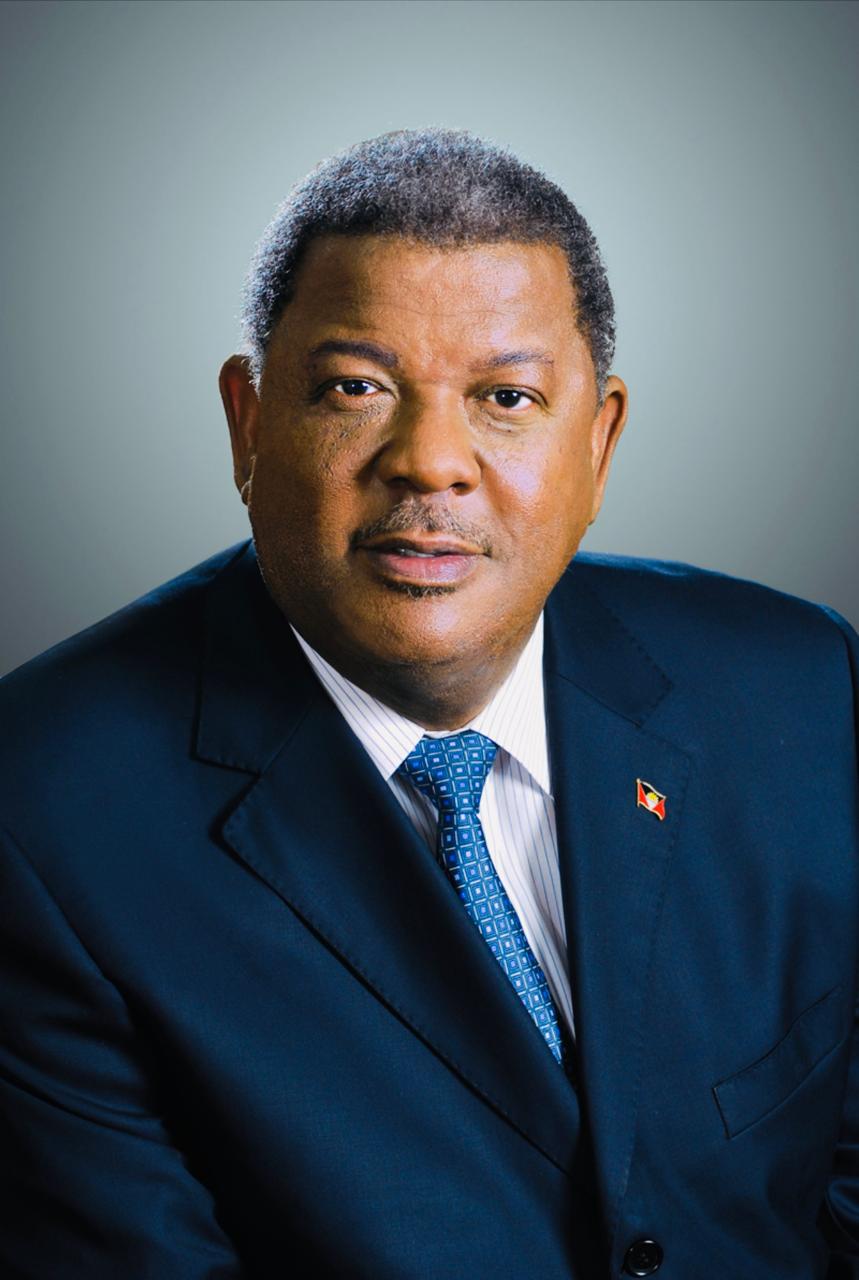
Baldwin Spencer
01
1989 – 2015

Baldwin Spencer

Founding Leader & Prime Minister

Prime Minister 2004–201410 Years in GovernmentFounding Member

Winston Baldwin Spencer, born October 8, 1948 in Green Bay, Antigua, is the architect of the United Progressive Party. A trade unionist and lifelong progressive, he served as Leader of the Opposition from 1989 and led the UPP to its historic 2004 general election victory — the first time since independence that the Bird family was not in power. Spencer served as Prime Minister from 2004 to 2014, presiding over a decade of constitutional reforms, transparency initiatives, and expanded social services. Known as a principled statesman, his tenure established the UPP's reputation for clean governance.
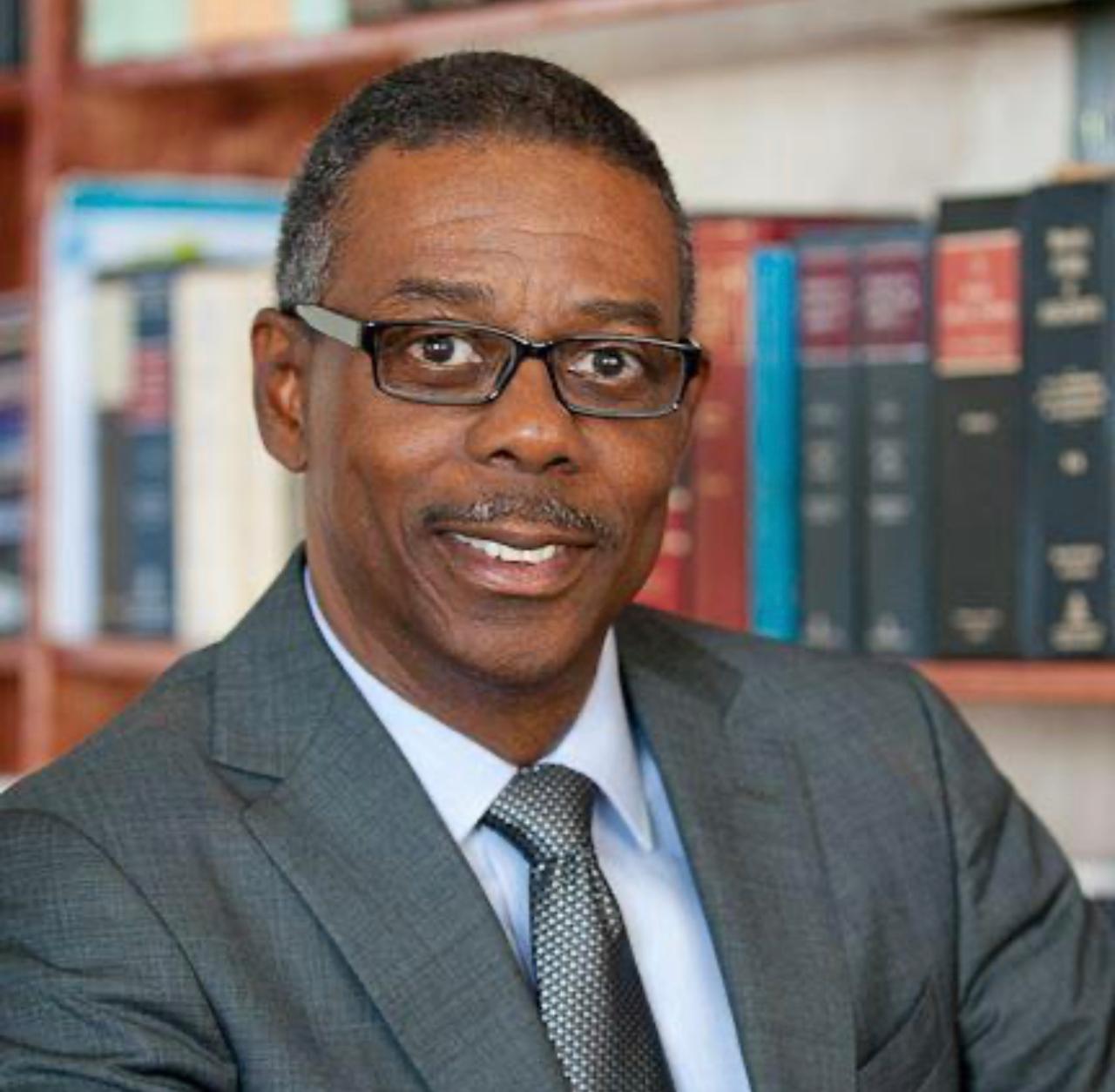
Harold Lovell
02
2015 – 2023

Harold Lovell

Political Leader & Finance Minister

Finance MinisterUPP Leader 2015–2023Caribbean Economist

Harold Earl Edmund Lovell, born September 27, 1955, is an economist and politician who served as Minister of Finance under the Spencer administration and later as Political Leader of the UPP from 2015 to 2023. A trained economist with deep expertise in Caribbean development finance, Lovell was instrumental in guiding Antigua's economic policies during the challenging post-2008 period. Despite presiding over difficult electoral cycles, he maintained the party's progressive principles and helped rebuild its grassroots network before stepping down following the 2023 election, in which the UPP achieved a strong recovery with 6 seats.

Jamale Pringle
03
2023 – Present

Jamale Pringle

Political Leader & Leader of the Opposition

Current LeaderLeader of the OppositionElected 2024

Jamale Pringle represents the next generation of UPP leadership. Elected party leader at the 12th biennial convention in April 2024 with 237 votes to 173, he is an entrepreneur and grassroots organiser who has modernised the party's outreach and platform. Under his leadership, the UPP launched the People First / Five Pillars platform for the 2028 general election — a comprehensive, evidence-based national vision covering water security, roads, national safety, education, and universal healthcare. Pringle currently leads the parliamentary opposition, holding the ABLP government to account on behalf of all Antiguans and Barbudans.

A Timeline of Progressive Politics

1992
Baldwin Spencer

Party Founded

The United Progressive Party was formed through the merger of the Antigua Caribbean Liberation Movement (ACLM), the Progressive Labour Movement (PLM), and the United National Democratic Party (UNDP). Baldwin Spencer was chosen as the inaugural leader, uniting three progressive forces into a single national movement committed to democracy and accountability.

8 March 1994
Baldwin Spencer

First Election as Main Opposition

The UPP contests the general election as the main opposition force, winning 5 seats in the House of Representatives. The result marks the party's emergence as a credible national alternative, challenging the long-dominant Antigua Labour Party for the first time with a unified progressive platform.

5 SEATSof 17 Total
9 March 1999
Baldwin Spencer

Continued Growth

The UPP wins 4 seats in the general election, securing 14,817 votes — 44.78% of the total vote share. Though narrowly short of a majority, the result shows the party consolidating a near half-majority of voter support and building the organisational strength that would deliver victory five years later.

4 SEATSof 17 Total
23–24 March 2004
Baldwin Spencer

Historic Victory — Government in the Sunshine

In a watershed moment for Antiguan democracy, the UPP wins the general election with 12 of 17 seats and ≈55.49% of the vote. Baldwin Spencer is sworn in as Prime Minister, ending over two decades of ALP rule. The UPP government immediately enacts transparency reforms, freedom of information legislation, and expansive social investment — an era they branded "Government in the Sunshine."

12 SEATSof 17 Total
🏆 Formed Government
12–13 March 2009
Baldwin Spencer

Second Term — Government Retained

The UPP secures a second consecutive term, winning 9 seats versus the ALP's 7 — a tighter race reflecting a more competitive political landscape. Spencer's government continues infrastructure investment, healthcare expansion, and educational reform. The win cements the UPP's position as a governing party capable of sustained leadership.

9 SEATSof 17 Total
🏆 Formed Government
12 June 2014
Baldwin Spencer

Return to Opposition

In a significant reversal, the UPP carries only 3 seats against the ABLP's 14 — partly attributed to post-recessionary economic pressures and voter fatigue. Despite the result, the party retains a substantial popular vote and begins a focused period of renewal. Spencer remains leader, committing to rebuild the party's community presence across all 17 constituencies.

3 SEATSof 17 Total
17 May 2015
Harold Lovell

New Leadership — Harold Lovell

Harold Lovell is elected UPP political leader at the party's 2015 convention, succeeding Baldwin Spencer after more than two decades of leadership. Lovell, a trained economist and former Finance Minister, brings a technocratic approach to party renewal, focusing on policy depth, community engagement, and rebuilding local party structures in the wake of the 2014 defeat.

Feb–April 2017
Harold Lovell

Party Realignment

Joanne Massiah, a sitting UPP MP, is expelled from the party following internal disagreements. She subsequently launches the Democratic National Alliance (DNA), creating a short-lived third force in Antiguan politics. The episode, while disruptive, ultimately prompted the UPP to strengthen internal cohesion and candidate vetting processes ahead of the 2018 election.

21 March 2018
Harold Lovell

Electoral Setback

The UPP suffers its most difficult electoral result, holding onto just 1 seat in the general election. The loss is attributed to a fragmented opposition vote, the DNA's spoiler effect in several constituencies, and continued incumbency advantage for the ABLP. The party responds by launching an intensive organisational rebuild, opening constituency offices and deepening grassroots organising.

1 SEATSof 17 Total
18 January 2023
Harold Lovell

Resurgence — 6 Seats

The UPP makes a dramatic recovery in the 2023 general election, winning 6 seats against the ABLP's 9 in a highly competitive race. The result — widely seen as a near-win — restores the party's status as the primary opposition force. Several constituencies were won by narrow margins, signalling that the UPP's rebuilding efforts had reconnected with voters across the island.

6 SEATSof 17 Total
20 January 2023
Jamale Pringle

Transition — Jamale Pringle Takes the Helm

Following the 2023 election result, Harold Lovell retires as political leader after nearly eight years of service. Jamale Pringle immediately assumes leadership, sworn in alongside the newly elected House members. Pringle quickly signals a generational shift — committing to a modernised, people-first platform for the 2028 general election campaign.

21 April 2024
Jamale Pringle

Pringle Confirmed — 12th Biennial Convention

At the party's 12th biennial convention, Jamale Pringle is formally elected UPP Political Leader with 237 votes to 173. The convention also sees the adoption of the Five Pillars platform — a comprehensive, costed national development plan targeting water security, roads, national safety, education, and universal healthcare — setting the UPP's agenda for the 2028 general election.