
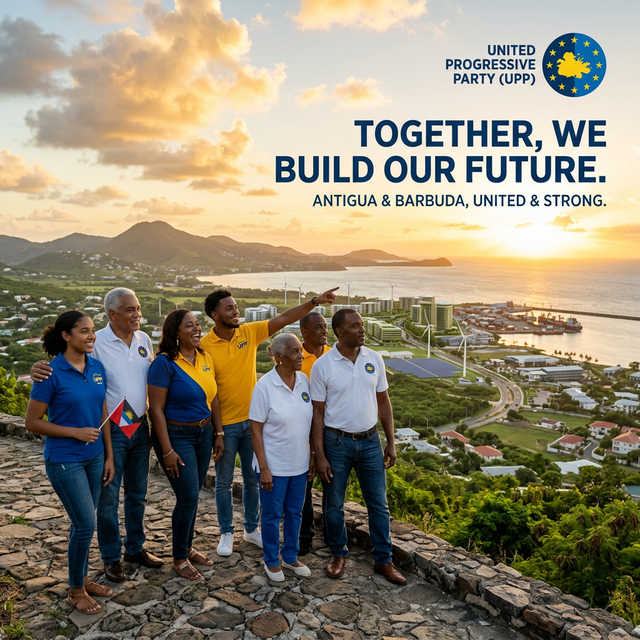
Movement frameLive movement overview
The People's Platform now needs to read as a national rebuilding project rather than a static campaign microsite.
The People's Platform should no longer feel like a single election document. It should show how the UPP is rebuilding its organisation, sharpening its public case, and connecting the party's programme, constituencies, leadership, youth, women, and elders into one disciplined national movement.
This page is the public front door for the wider People First movement. The 2026 manifesto remains available separately as an archived election document inside the manifesto record.
The People's Platform now needs to read as a national rebuilding project rather than a static campaign microsite.
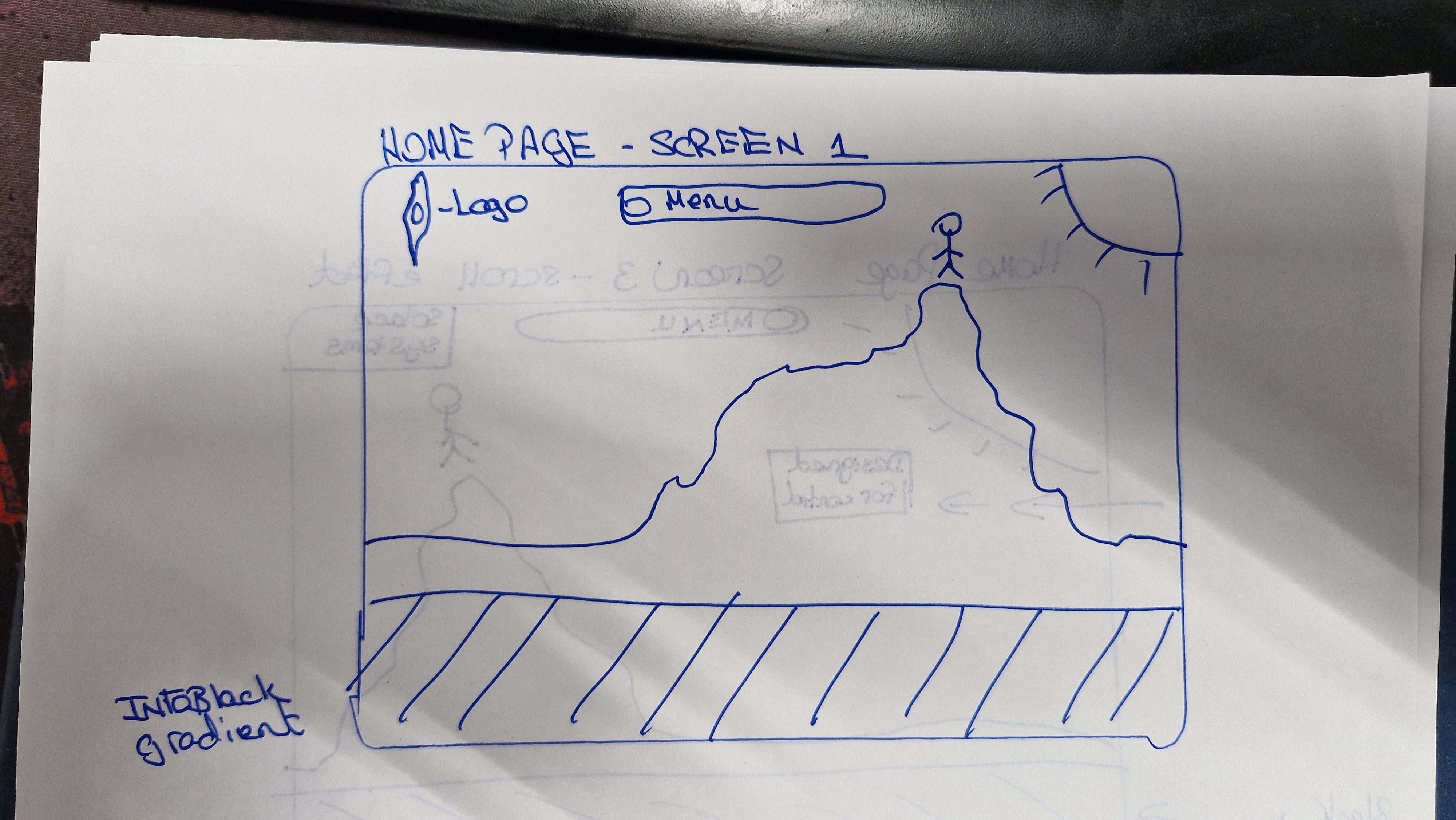
The movement has to connect parliamentary leadership to visible grassroots organisation.

Yellow and blue should hold the whole public story together, from programme pages to party organisation.
The former manifesto landing page is now treated as an archived campaign document, while this page becomes the live People's Platform overview.
The governing standard for every public argument and organising effort.
Movement signalA contrast line that should show up in tone, discipline, and conduct.
Movement signalThe longer national direction tying the party's record, programme, and renewal together.
Movement signalUse this page as the public movement brief: direction, party machinery, supporter connection, and documentary record in one place.
Rebuilding direction
This is the public movement brief: one place to understand the UPP's rebuilding direction, active initiatives, organisational bodies, and documentary record.
Explain the People's Platform as a living party and national project, not only as a single PDF or election launch.
Make the public case for accountability, party discipline, constituency rebuilding, supporter registration, and practical organisation between elections.
Bring the pillars, parliamentary team, constituencies, Youth Arm, Women League, and Council of Elders into one coherent public structure.
Movement architecture
A serious opposition needs more than policy pages. It needs visible machinery: people, branches, training, memory, discipline, and a record the public can read.
The fifteen pillars now function as opposition briefs and public standards the country can measure.
Candidates, MPs, and constituency pages show where representation and organising are already visible on the ground.
The movement bodies show how leadership development, mentorship, participation, and continuity should work inside the party.
Move through the political direction, the practical rebuilding initiatives, the party machinery, and the archive record.
This is the live political frame behind the site. It should tell the public how the UPP is positioning itself, what standards it is setting, and why rebuilding needs more than one archived election document.
This is the long-range direction: rebuild trust, rebuild competence, rebuild internal strength, and rebuild the public habit of serious politics.
The party's arguments have to keep returning to ordinary life: household pressure, broken services, local opportunity, and what public leadership actually improves.
This is the contrast line. It should show up in tone, not just in slogans: less theatre, more proof; less noise, more service; less spectacle, more readiness.
The People's Platform should also show what the party is doing now in opposition: scrutinising power, strengthening its structures, and preparing to govern seriously.
These initiatives make the movement legible: organisation, accountability, training, supporter systems, and public record rather than vague mood-setting.
The party needs more than election-season presence. Constituency work should be visible through meetings, issue briefings, local listening, and stronger branch discipline.
Each pillar should now function as a public test. The country should be able to see what UPP can press for now, what it would do in office, and how the public can judge progress.
The rebuilding story should be consistent across the site: accountability, people-first service, credible alternatives, and a calmer, more serious tone.
UPP Connect should function as the operational front door: supporter and member registration, contact updates, constituency follow-up, and local issue tracking.
The Youth Arm and Women League should not read like symbolic appendices. They need real public roles in organising, policy, training, and representation.
A serious party shows its documentary record, protects its institutional memory, and uses experience to train newer organisers rather than starting from zero every cycle.
This section should prove that people, programme, branches, constituencies, archive material, and supporter infrastructure all sit inside one disciplined political organization.
Fifteen issue pages now act as public briefs and tests, not just promise sheets. They remain the policy core of the wider People's Platform.
Profiles, leadership, and constituency roles show the public faces carrying the opposition case in Parliament and across the country.
The elections hub now ties constituency dossiers, seat history, and national results into one public record of presence and political work.
The youth page sets out how younger members organise, train, represent, and grow into more serious political roles inside the movement.
The Women League page gives women's leadership, policy influence, mentorship, and constituency organising a clear public shape.
The Council of Elders page explains how memory, mentorship, and standards can strengthen the rebuilding project without crowding out newer leadership.
The People's Platform hub should still give people a direct path into every major policy pillar without forcing them back through the archived 2026 launch page.
The former manifesto landing page should now function as part of the public archive. The wider People's Platform identity belongs here, in a living movement page that can point outward to the documentary record.
This page now preserves the 2026 election platform as a campaign document. It remains available as published, but it no longer carries the whole live People's Platform identity by itself.
Open the 2026 archive pageSix manifesto cycles, the 2026 archive document, and the Major Achievements 2004 - 2014 booklet remain available together as the party's documentary record.
Read the full archiveUse the elections hub to read the verified results archive, open constituency dossiers, and see how the party's public record sits seat by seat.
Open the elections hubThe public should be able to see how the movement is organised, what it stands for, how it is rebuilding, and how supporters can register, update, and stay connected to the work in their constituency.
Fifteen pillars now written as opposition briefs and public tests.
Youth, women, elders, candidates, and constituencies all have a visible place.
Manifestos, achievements, elections, and the 2026 archive remain easy to audit.